Scientific meetings play a critical role in bringing people together around complex content, shared objectives and professional alignment. At Liwlig, we design and deliver scientific meetings that balance structure, engagement and precision – creating the right conditions for knowledge sharing, dialogue and collaboration.
“The best investigator meeting I have ever attended”
Professor Dr. Jonathan Silverberg
The quote reflects our approach to scientific meetings:
Clear purpose, thoughtful design and seamless execution that supports focus and meaningful interaction.

The process
The mission is to co-create purposeful scientific meetings in close collaboration with our clients. We engage early in the process to define objectives, content and success criteria, ensuring that each meeting is designed to support its intended purpose – whether the focus is knowledge sharing, training, alignment or relationship building.
Every meeting is shaped around its specific goals. By translating complex content into clear structures and engaging formats, we create the right conditions for focus, understanding and meaningful interaction among participants.
Liwlig acts as a full-service partner throughout the entire process of planning and delivering scientific meetings. Our approach is based on a thorough understanding of the meeting’s purpose, stakeholders and desired outcomes.
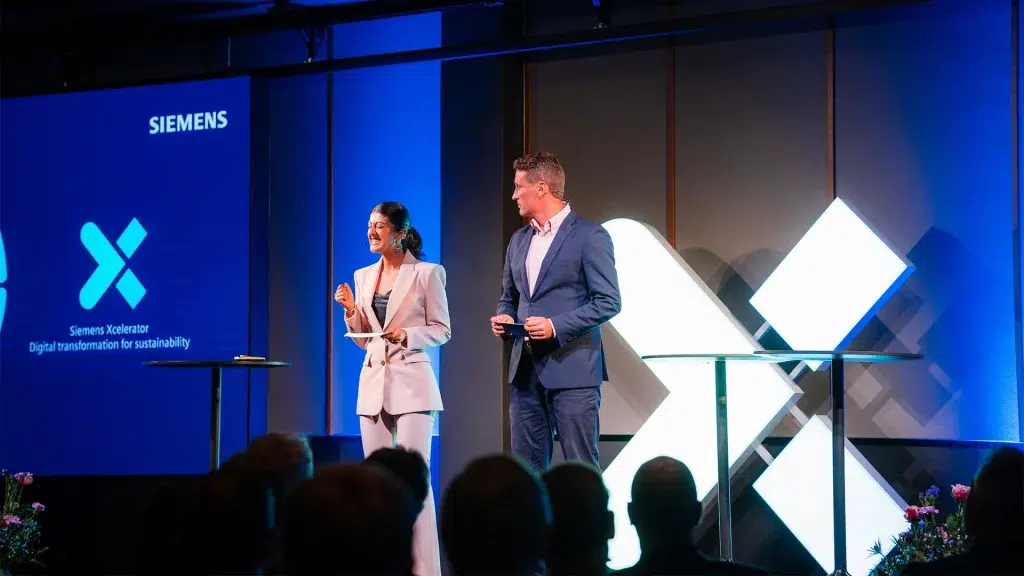
We take responsibility for the full scope of delivery, including meeting design, visual identity, production, logistics and participant experience. This also includes coordination across travel, venues, technical setup and on-site execution – whether the meeting is delivered as a live, hybrid or virtual format.
Interactive elements are integrated with purpose, while plenary sessions and breakout formats are designed to create clarity, structure and engagement. Digital tools and platforms are selected to support interaction and provide a smooth, reliable experience without unnecessary complexity.
Scientific meetings delivered by Liwlig create structured, professional environments where participants can focus on content, dialogue and collaboration. The holistic approach ensures a consistent experience from start to finish, allowing organisers to concentrate on objectives while participants engage with confidence and clarity.
The case demonstrates how carefully designed scientific meetings can combine precision, engagement and seamless execution – supporting meaningful interaction and long-term value.